
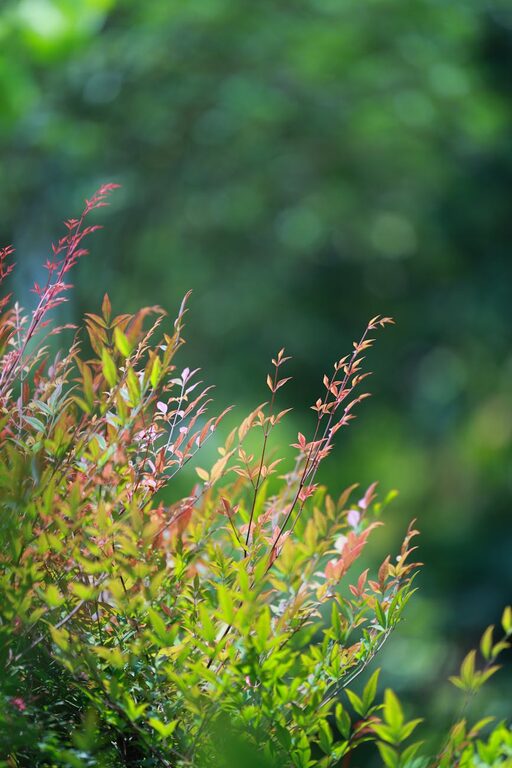
Creating a home garden that thrives through every season can be both rewarding and beneficial. Not only does it provide beauty and fresh produce, but it also supports the environment by encouraging biodiversity and sustainable habits. Whether you have a large backyard or a small balcony, you can create a garden that is enjoyable and sustainable all year round. Here are some helpful tips to guide you through each step of the process.
Plan with the Seasons in Mind
Understanding your local climate and season cycles is key to successful gardening. Each season offers different opportunities for planting and maintenance.
– Spring: Ideal time for sowing seeds and planting new flowers, vegetables, and herbs.
– Summer: Focus on watering, mulching, and harvesting early crops.
– Autumn: Prepare soil for winter, plant bulbs, and compost fallen leaves.
– Winter: Protect plants from frost, plan next year’s garden, and maintain tools.
By aligning your gardening tasks with the seasons, you ensure healthier plants and a more enjoyable garden experience.
Choose Native and Adapted Plants
Selecting plants that are native or well-adapted to your region reduces water use, pest problems, and extra care needs. These plants tend to be more resilient and support local wildlife such as bees and butterflies.
– Research native wildflowers, shrubs, and trees suited to your area.
– Include a mix of perennials and annuals for continuous color and interest.
– Incorporate edible plants like herbs, berries, or vegetables for fresh produce.
Native plants also help maintain the natural ecosystem and require fewer chemicals, making your garden greener and healthier.
Improve Soil Health Naturally
Healthy soil is the foundation of a thriving garden. Instead of relying on synthetic fertilizers, focus on enriching your soil naturally.
– Add compost regularly to improve soil structure and fertility.
– Use organic mulches like straw, leaves, or wood chips to retain moisture and suppress weeds.
– Practice crop rotation and companion planting to avoid soil depletion.
– Avoid disturbing the soil too often, preserving beneficial earthworms and microorganisms.
A rich, organic soil promotes strong roots and healthier plants with better resistance to pests and disease.
Conserve Water Efficiently
Water conservation is essential for sustainability. Garden smartly to minimize water waste while keeping plants hydrated.
– Install a rain barrel to collect and reuse rainwater.
– Use drip irrigation or soaker hoses to deliver water directly to roots.
– Water early in the morning or late in the evening to reduce evaporation.
– Group plants with similar water needs together to avoid overwatering.
These strategies help reduce water bills and minimize environmental impact.
Encourage Biodiversity
A diverse garden ecosystem supports pollinators and natural pest control, reducing the need for pesticides and chemicals.
– Plant flowers that attract bees, butterflies, and other pollinators throughout the growing season.
– Include shrubs and trees that provide shelter for beneficial birds and insects.
– Avoid broad-spectrum pesticides that harm helpful insects.
– Create habitats like log piles, insect hotels, or small water features for wildlife.
By inviting nature into your garden, you create a balanced environment that is healthier and easier to maintain.
Practice Sustainable Garden Maintenance
Eco-friendly maintenance keeps your garden productive without harming the environment.
– Compost garden waste and kitchen scraps to recycle nutrients.
– Use hand tools whenever possible to reduce fuel-powered equipment emissions.
– Prune regularly to improve plant health and air circulation.
– Rotate crops and plant cover crops to improve soil and reduce pests.
Sustainable practices reduce waste and keep your garden in shape year after year.
Plan for Year-Round Enjoyment
Design your garden not just for planting but also for relaxation and enjoyment in every season.
– Incorporate seating areas with weather-resistant furniture.
– Add features like pathways, lighting, and garden art to enhance usability.
– Plant evergreens and winter-flowering shrubs for interest during colder months.
– Grow a variety of crops such as leafy greens and root vegetables that can be harvested even in cooler seasons.
By planning spaces for leisure as well as planting, your garden becomes a welcoming place throughout the year.
Troubleshoot Common Seasonal Challenges
Each season comes with its challenges, but a few preparations can help you stay ahead.
– Protect delicate plants with frost covers or move containers indoors during winter.
– Mulch heavily in summer to keep roots cool and moist.
– Watch for common pests appropriate for the season and take early action.
– Prepare garden beds in autumn to reduce weeds and nutrient loss in winter.
By anticipating these issues, you can maintain a healthy, thriving garden through all weather conditions.
—
With thoughtful planning and sustainable practices, your home garden can be a beautiful, productive space no matter the season. Start small, observe what works best in your environment, and enjoy the continuous rewards of gardening throughout the year. Happy growing!